Analyzing How Game Suppliers Integrate Secure Transactions With Player Protection Features in Live Table Experiences on Portable Devices
Mia Baumann · Aug 24, 2026
Analyzing How Game Suppliers Integrate Secure Transactions With Player Protection Features in Live Table Experiences on Portable Devices
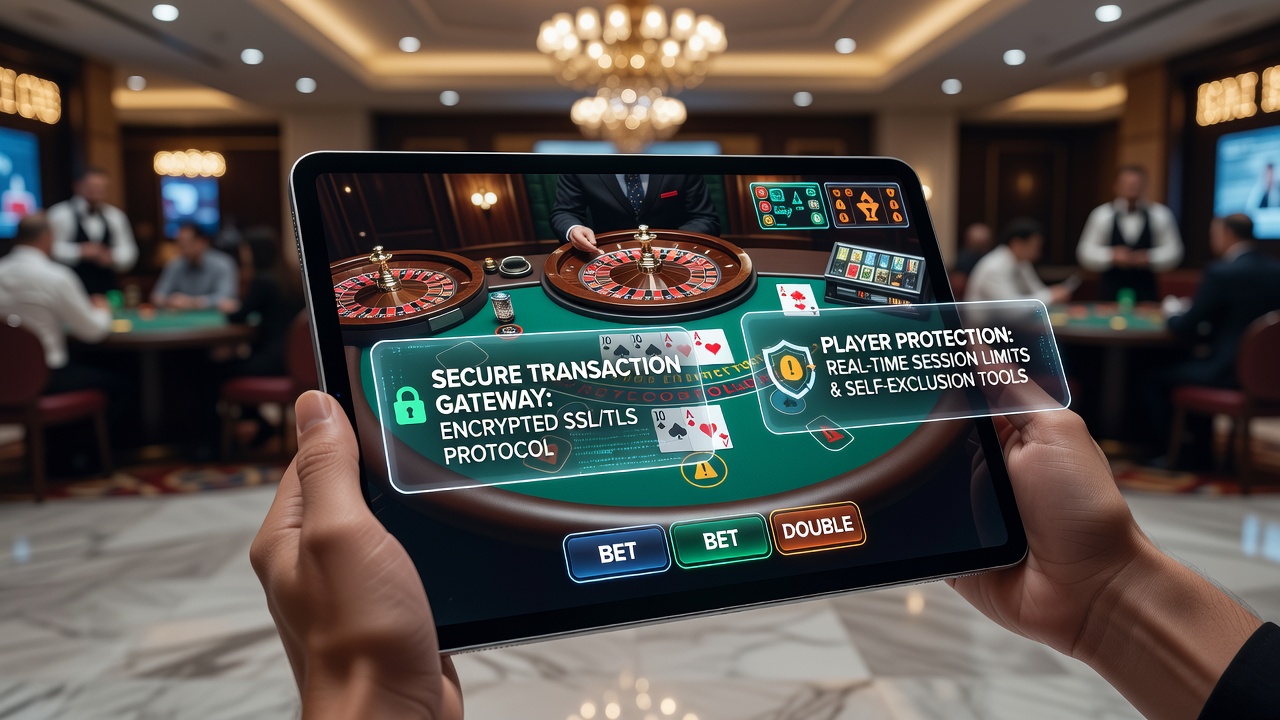
Game suppliers have developed systems that combine encrypted payment processing with real-time player protection tools for live table games such as blackjack and roulette on smartphones and tablets, and these integrations rely on standardized security protocols that handle financial data while monitoring user behavior during sessions that began expanding in scope by August 2026.
Core Security Protocols for Transactions on Portable Devices
Suppliers implement end-to-end encryption alongside tokenization methods that replace sensitive card details with unique identifiers during live dealer interactions, and these measures align with PCI DSS compliance frameworks that multiple regulatory bodies require for mobile platforms. Data transmission occurs through secure sockets layer connections that update automatically when users switch between Wi-Fi and cellular networks, which reduces exposure points in real-time betting environments. Researchers at institutions focused on digital finance have documented how biometric authentication layers, including fingerprint and facial recognition, now link directly to transaction approvals in apps that stream table games without interrupting gameplay flow.
Player Protection Features Embedded in Live Table Software
Protection mechanisms include customizable deposit limits and session timers that activate automatically once a player reaches predefined thresholds, and these tools connect to backend algorithms that flag unusual patterns such as rapid bet increases across multiple portable devices. Suppliers integrate self-exclusion options that sync across accounts, allowing users to pause access to live tables for specified periods while still permitting secure withdrawal processing. According to reports from the European Gaming and Betting Association, such features have been refined to operate without latency in high-volume mobile sessions, and they draw on behavioral analytics that track play duration alongside spending velocity.
Integration Methods Across Major Game Suppliers
Leading providers link transaction gateways with protection dashboards through API connections that update player status in real time, so when a user initiates a bet on a live roulette table the system checks current limits before authorizing the payment token. This approach lets operators maintain consistent experiences on both iOS and Android devices, and it incorporates multi-factor verification that combines device recognition with account history checks. One case study from a European research consortium revealed that suppliers who merged these functions saw reduced instances of unauthorized access attempts during peak evening hours when portable device usage spikes.
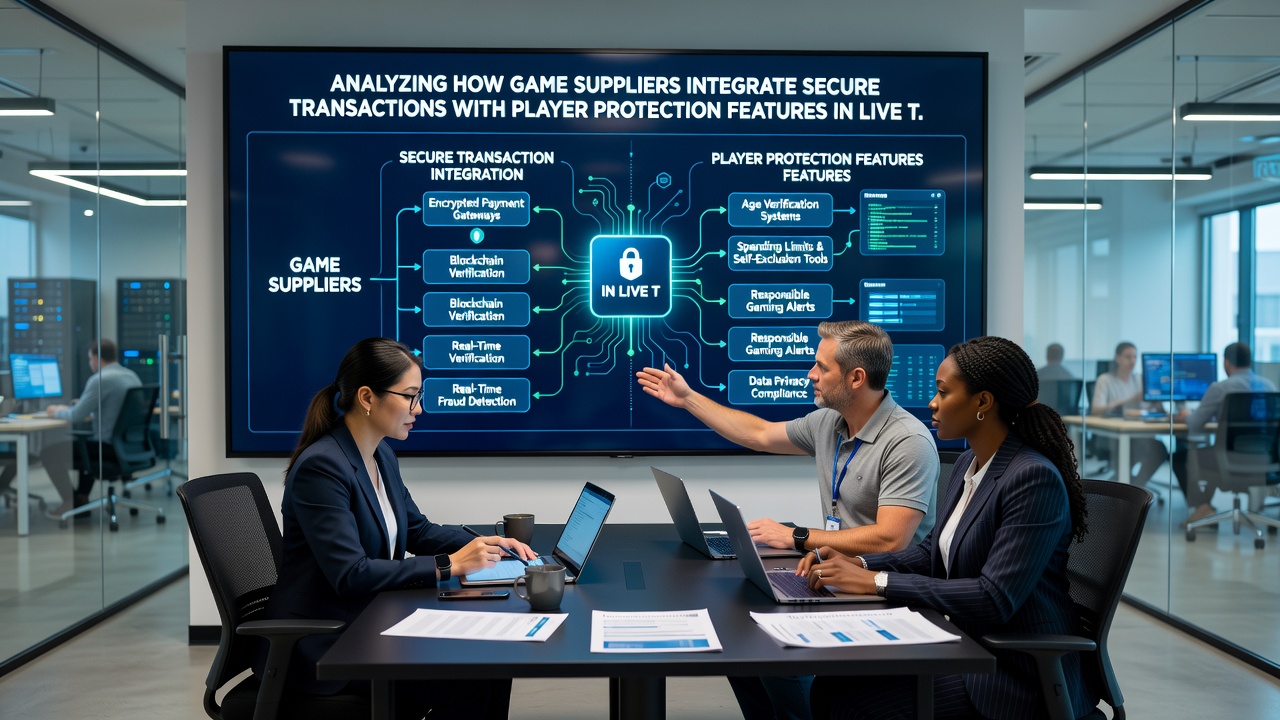
Additional layers involve automated alerts that notify users via push messages when they approach spending caps, and these messages appear without disrupting the live video feed from the dealer studio. Suppliers also employ machine learning models trained on anonymized transaction data to predict potential issues, allowing preemptive offers of cooling-off periods that maintain the integrity of ongoing table games.
Regulatory Developments and August 2026 Context
By August 2026 several jurisdictions had updated mobile gaming standards to require explicit separation between transaction processing and protection monitoring modules, which forces suppliers to demonstrate independent auditing of each component. Agencies in regions outside the UK, including those in Australia and parts of North America, have issued guidelines that emphasize cross-device synchronization for limit settings, and these rules build on earlier frameworks that addressed live dealer streaming security. Industry data shows increased adoption of quantum-resistant encryption pilots in response to emerging threats, although full rollout remains phased across portable device ecosystems.
Technical Challenges and Solutions in Mobile Environments
Portable device constraints such as variable battery life and intermittent connectivity demand optimized code that processes both payments and protection checks in background threads, and suppliers address this by using edge computing nodes that cache verification results locally until network restoration. Observers note that hybrid cloud architectures now support failover mechanisms so live table sessions continue uninterrupted even if a primary security server experiences temporary overload. Studies from academic groups specializing in human-computer interaction have examined how interface design influences user compliance with protection prompts, revealing that non-intrusive pop-ups integrated into the betting interface achieve higher engagement rates than separate menu options.
Conclusion
Game suppliers continue to refine the linkage between secure transaction systems and player protection features for live table experiences on portable devices through standardized protocols, API-driven integrations, and regulatory adaptations that were active as of August 2026. These developments rest on documented practices from industry associations and research bodies that track performance across diverse mobile platforms.